Orléans Real Estate and Neighbourhood Guide
Orléans is a large suburban community in Ottawa's east end, along the Ottawa River about 16 km from downtown. It began as a French Canadian farming parish in the 1830s and grew into one of the city's biggest family suburbs, with schools from all four boards, Place d'Orléans, Petrie Island's beaches and five new O-Train stations waiting to open.
Quick facts
- Location: east Ottawa on the Ottawa River, about 16 km from downtown, east of Green's Creek.
- Population: 139,309 (2021 Census, using the adjusted boundary for Orléans given by Wikipedia).
- History: settled in the 1830s, mostly by French Canadian families, around the parish of St-Joseph d'Orléans. In 1858 Luc Major registered the first subdivision plan, creating the village of St. Joseph. Before 2001 Orléans was split between the City of Gloucester and the City of Cumberland.
- City wards: Orléans East-Cumberland (Ward 1), Orléans West-Innes (Ward 2) and Orléans South-Navan (Ward 19).
- French language: about 29 to 30% of residents speak French as their first language, and the community has 15 French-language elementary schools and a La Cité college campus.
Neighbourhoods
- Queenswood Heights: one of the first large housing developments, started in the late 1960s, with ranch and split-level homes on larger lots.
- Convent Glen and Orléans Woods: established areas in the west half of Orléans.
- Chapel Hill and Fallingbrook: built mostly in the 1980s and 1990s, with two-storey detached homes, freehold townhouses and neighbourhood parks.
- Avalon, Notting Gate and Cardinal Creek: newer communities to the east and south, built since the early 2000s, with narrower lots and more townhouses, stacked towns and apartments.
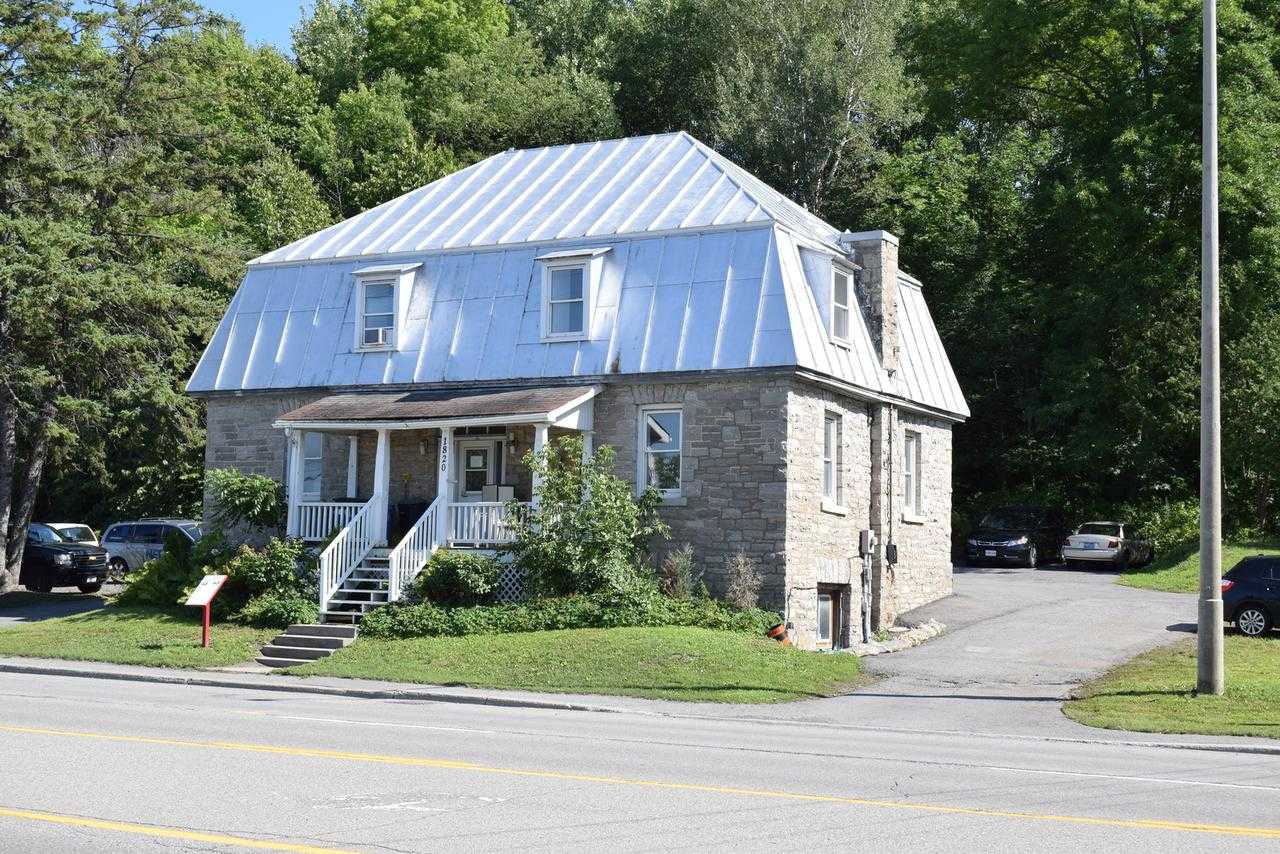
- The old village core: St. Joseph Boulevard still has some 19th and early 20th century buildings, and the Paroisse St-Joseph church at 2757 St-Joseph Boulevard.
Getting around
- Highway 174 runs through Orléans to downtown, and OC Transpo buses connect to Blair Station on O-Train Line 1.
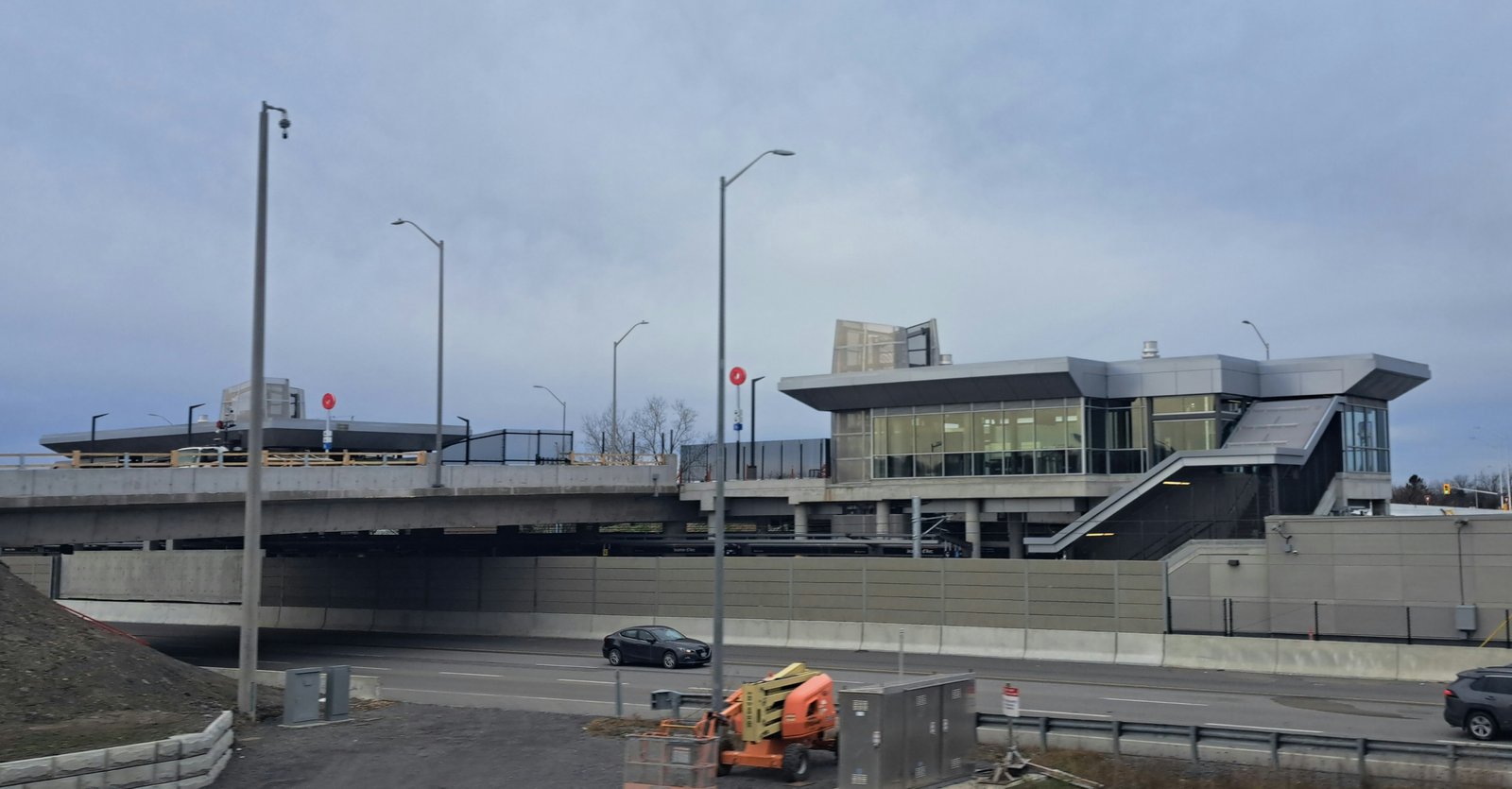
- O-Train Line 1 east extension (built, not yet open): a 12.5 km extension from Blair Station with five new stations: Montréal, Jeanne d'Arc, Convent Glen, Place d'Orléans and Trim. On October 2, 2026, OC Transpo said a train-control software update had pushed the start of pre-trial running from October to November. CBC News reported that pre-trial running is expected to take about a week, followed by 21 days of trial running and 5 to 10 days of final preparation before passengers can ride. No opening date had been announced.
Parks and recreation
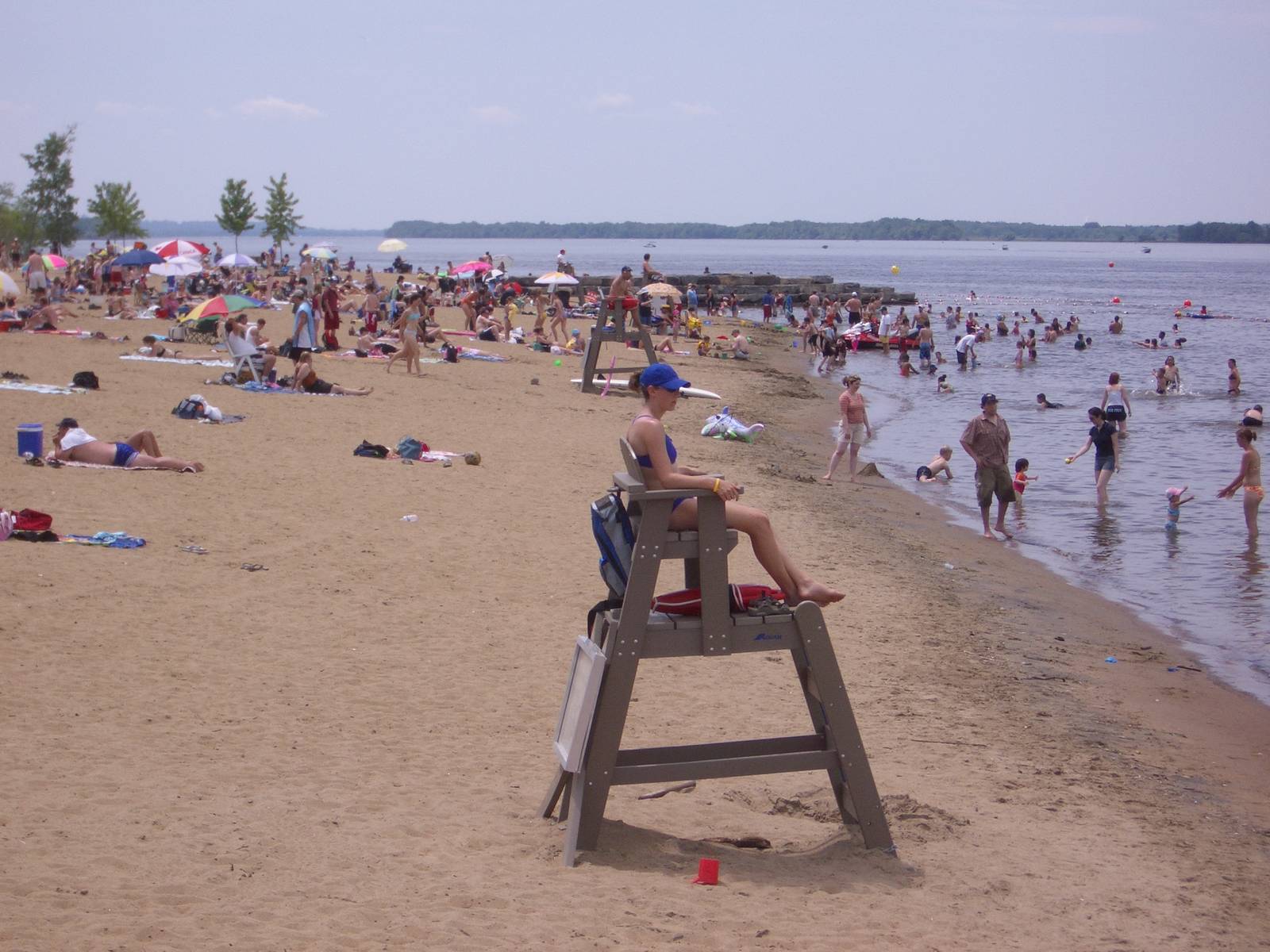
- Petrie Island: beaches with supervised swimming, nature trails and a canoe club on the Ottawa River.
- Mer Bleue Conservation Area: a 3,500 hectare natural area in the Greenbelt south of Orléans, with the Mer Bleue Bog.
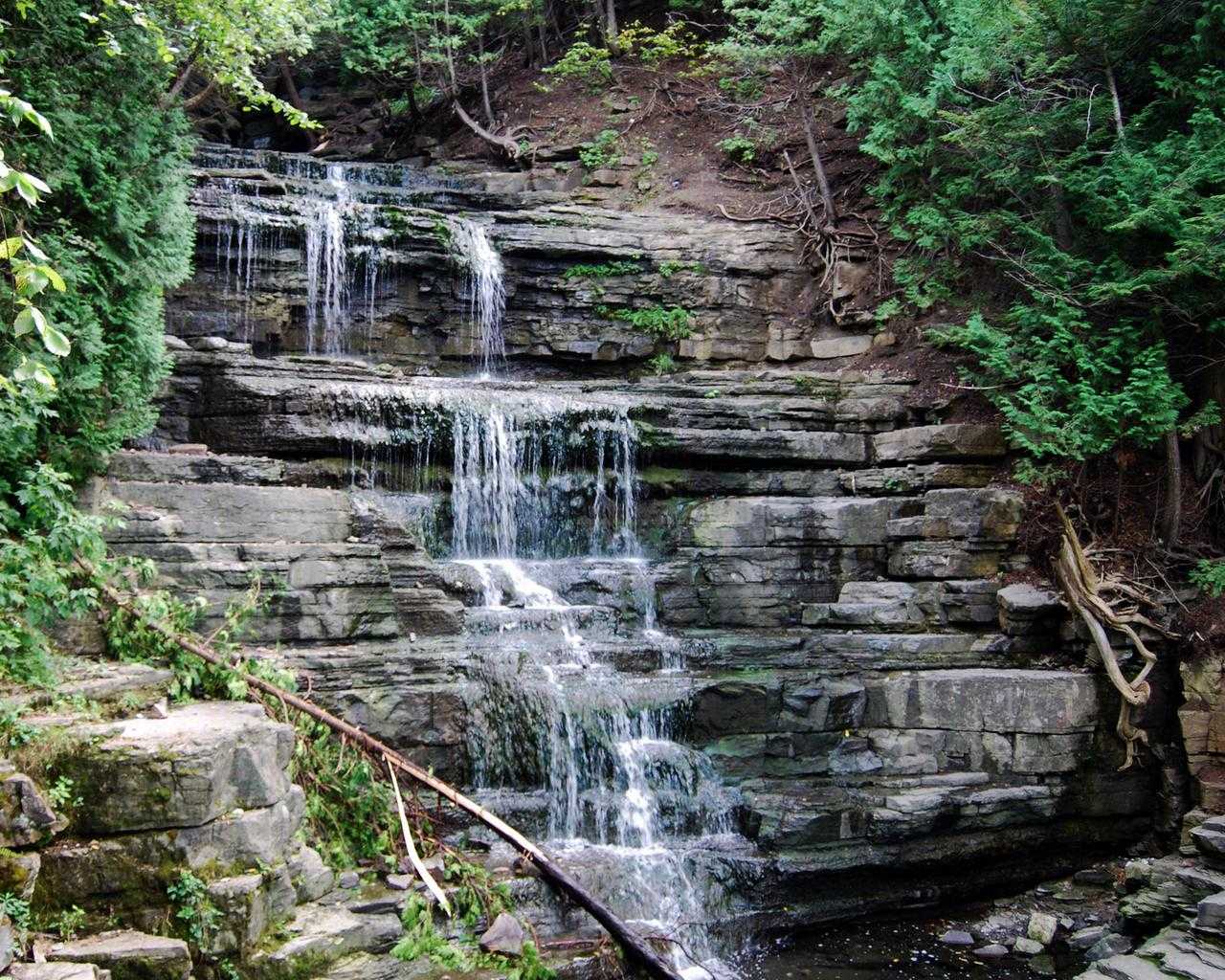
- Trails: the Ottawa River pathway, Bilberry Creek, the Cardinal Creek Karst path and the Princess Louise Falls trail.
- Recreation and arts: the Ray Friel and Bob MacQuarrie recreation complexes, and the Shenkman Arts Centre at 245 Centrum Boulevard, opened in 2009.
Housing
- Across Orléans's three wards (2021 Census), 56.8% of homes were single-detached houses, 29.6% row houses and 4.0% semi-detached. Only 1.6% were in apartment buildings of five or more storeys.
- 42.5% of homes were built between 1981 and 2000 and 36.7% in 2001 or later. 85.3% of households owned their home.
- Orléans South-Navan, which includes Avalon and Notting Gate, is the newest part: 77.9% of its homes were built in 2001 or later.
Frequently asked questions
What schools serve Orléans?
Orléans has schools from all four boards. English public (OCDSB) high schools are Cairine Wilson Secondary School and Sir Wilfrid Laurier Secondary School, and elementary schools include Avalon, Convent Glen, Dunning-Foubert, Fallingbrook Community, Forest Valley, Henry Larsen, Maple Ridge, Summerside, Terry Fox and Trillium. English Catholic (OCSB) high schools are St. Matthew and St. Peter. French public (CEPEO): École secondaire publique Gisèle-Lalonde and elementary schools including Des Sentiers, Jeanne-Sauvé, L'Odyssée and Le Prélude. French Catholic (CECCE): École secondaire catholique Garneau and École secondaire catholique Béatrice-Desloges, and elementary schools including Alain-Fortin, Arc-en-Ciel, des Pionniers and Saint-Joseph d'Orléans. Confirm your address with each board's school locator.
Who lives in Orléans?
Across Orléans's three wards in the 2021 Census there were about 145,700 residents. 17.8% were under 15 and 17.1% were 65 or older. The average household had 2.7 people, 34.6% of households were couples with children, and 85.3% owned their home. The median age was 43.6 in Orléans East-Cumberland, 45.2 in Orléans West-Innes and 36.8 in Orléans South-Navan, and the median total household income in 2020 was $122,000, $114,000 and $130,000 respectively. The wards also include areas outside Orléans, such as Cumberland Village, Navan and Blackburn Hamlet.
When will the O-Train reach Orléans?
The Line 1 east extension from Blair Station to Trim Road, with stations at Montréal, Jeanne d'Arc, Convent Glen, Place d'Orléans and Trim, is built but not yet open. On October 2, 2026, OC Transpo said pre-trial running had been pushed to November because of a train-control software update. CBC News reported that pre-trial running should take about a week, then 21 days of trial running and 5 to 10 days of final preparation, so at least five weeks are expected between the start of pre-trial running and opening day. No opening date had been announced.
How long is the commute from Orléans?
Most people drive: in the 2021 Census, 84.3% of commuters across the three Orléans wards went by car and 8.7% took transit. 66.1% got to work in under 30 minutes and 12.1% took 45 minutes or more. That census week was in May 2021, during the pandemic. Highway 174 and the coming O-Train stations are the main routes downtown.
What types of homes are in Orléans, and how old are they?
Mostly houses. In the 2021 Census, 56.8% of homes across the three wards were single-detached, 29.6% row houses and 4.0% semi-detached. 42.5% were built between 1981 and 2000 and 36.7% in 2001 or later. Queenswood Heights and Convent Glen are among the older areas, while Avalon and Notting Gate are much newer: 77.9% of homes in Orléans South-Navan Ward were built in 2001 or later.
Where do Orléans residents shop?
Place d'Orléans, which opened in 1979, is the main shopping centre and is next to Place d'Orléans Station. Innes Road is a large retail corridor with plazas and big-box stores, and St. Joseph Boulevard has older storefronts and local businesses. The Heart of Orléans Business Improvement Area represents close to 800 businesses.
What parks and recreation are in Orléans?
Petrie Island has beaches with supervised swimming and nature trails on the Ottawa River, and the Mer Bleue Conservation Area is just south in the Greenbelt. Trails include the Ottawa River pathway, Bilberry Creek and the Princess Louise Falls trail. The Ray Friel and Bob MacQuarrie recreation complexes and the Shenkman Arts Centre round it out.
Is Orléans bilingual?
Orléans is one of Ottawa's main French-speaking communities: about 29 to 30% of residents speak French as their first language. There are 15 French-language elementary schools, French public and Catholic high schools, a La Cité college campus, and French programming at the Shenkman Arts Centre through the MIFO community organization.
Census figures are for the City of Ottawa ward named, using the City's 2021 Census ward data (current ward boundaries), so they cover a wider area than the neighbourhood itself. Census ward used: Orléans East-Cumberland (Ward 1), Orléans West-Innes (Ward 2) and Orléans South-Navan (Ward 19), combined. Commute shares come from the 2021 Census, which asked about the week of May 2021, during the pandemic; they cover people who commuted to a usual place of work, not drive times.
Nearby neighbourhoods
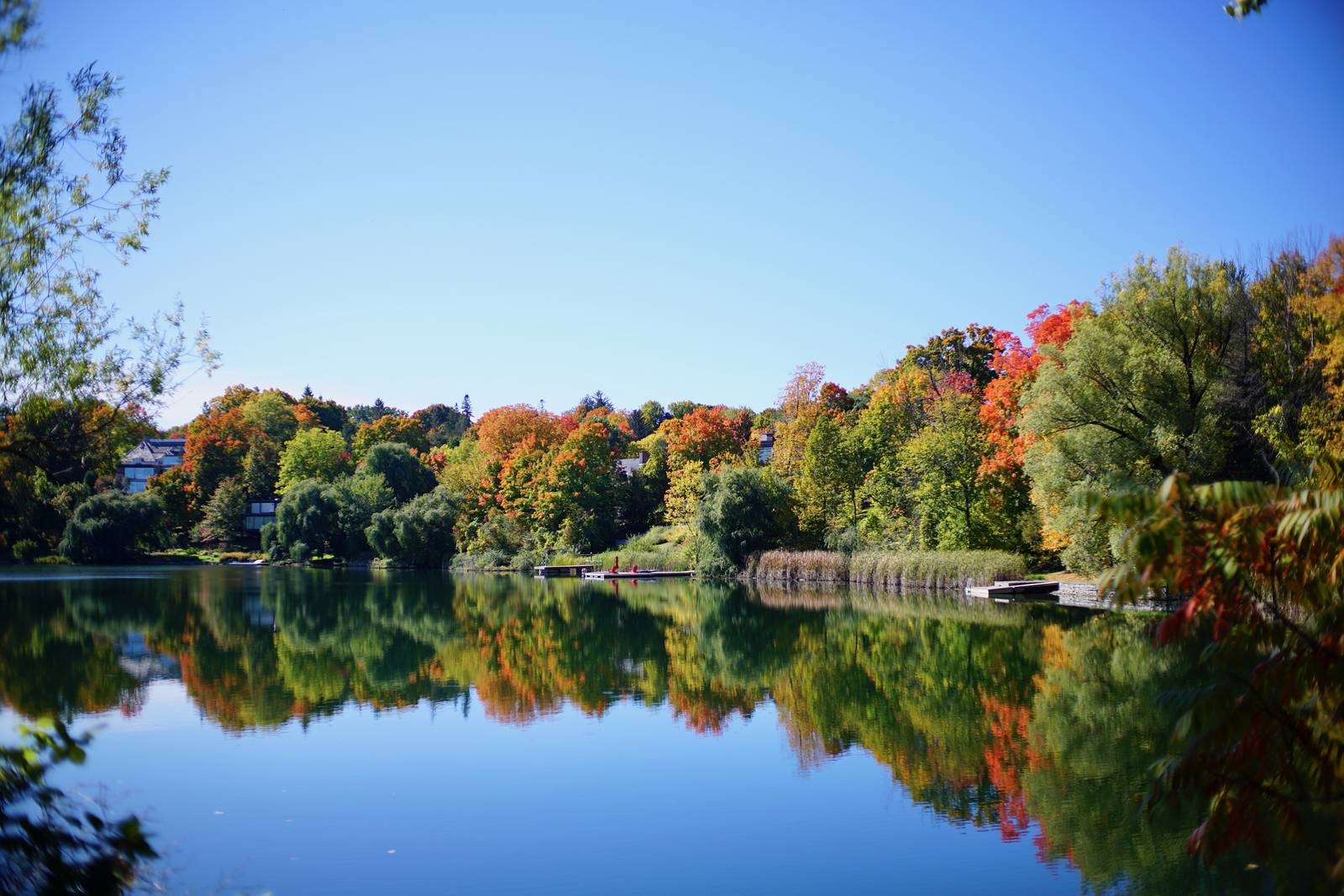 Northeast of downtownRockcliffe Park and New EdinburghHistoric, leafy streets near Rideau Hall, with heritage rules, embassies, Manor Park and Lindenlea.Explore Rockcliffe Park →
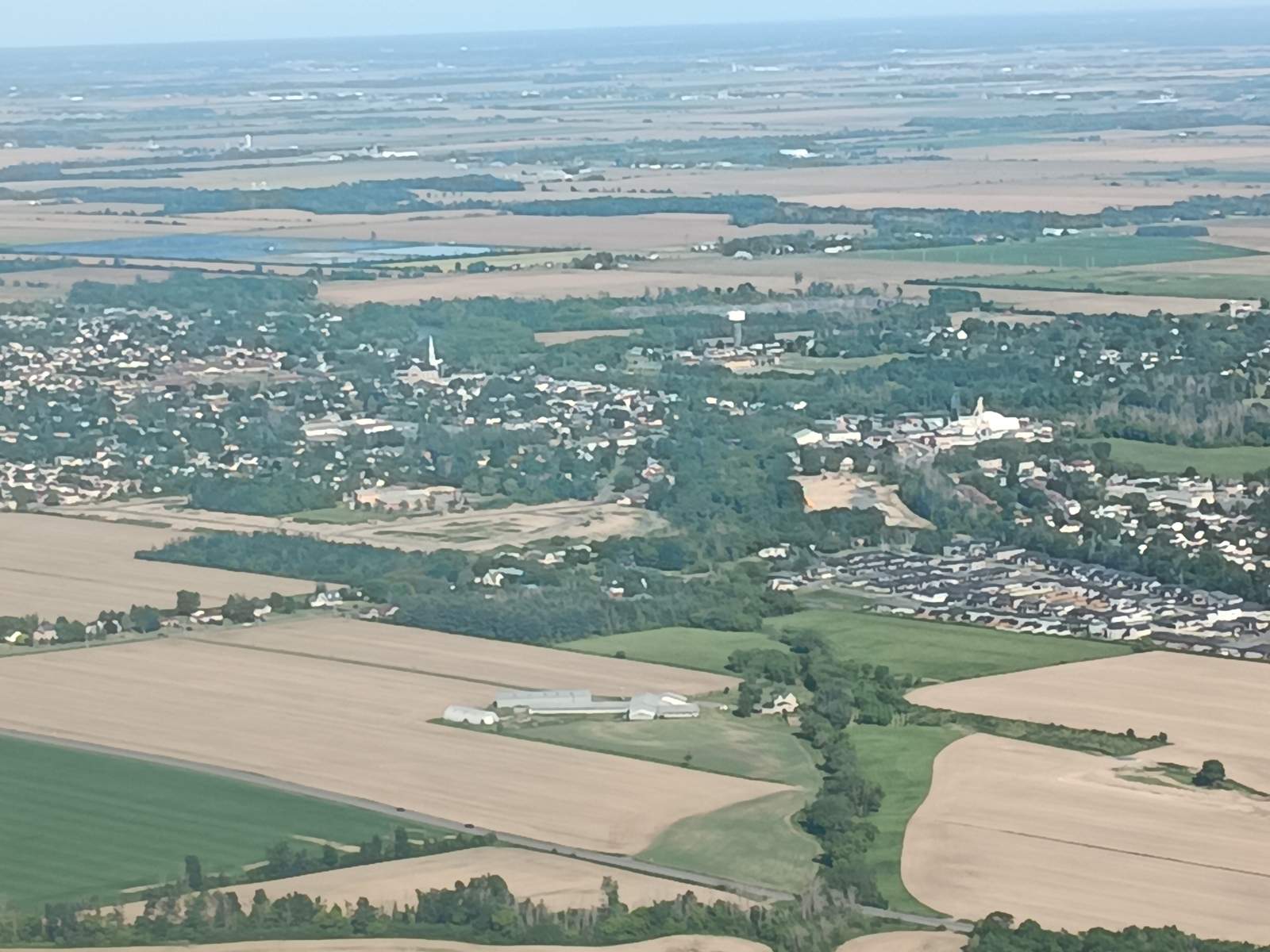 Outside Ottawa, off Highway 417Russell and EmbrunA fast-growing bilingual township southeast of Ottawa, with newer family homes in Embrun and Russell village.Explore Russell and Embrun →
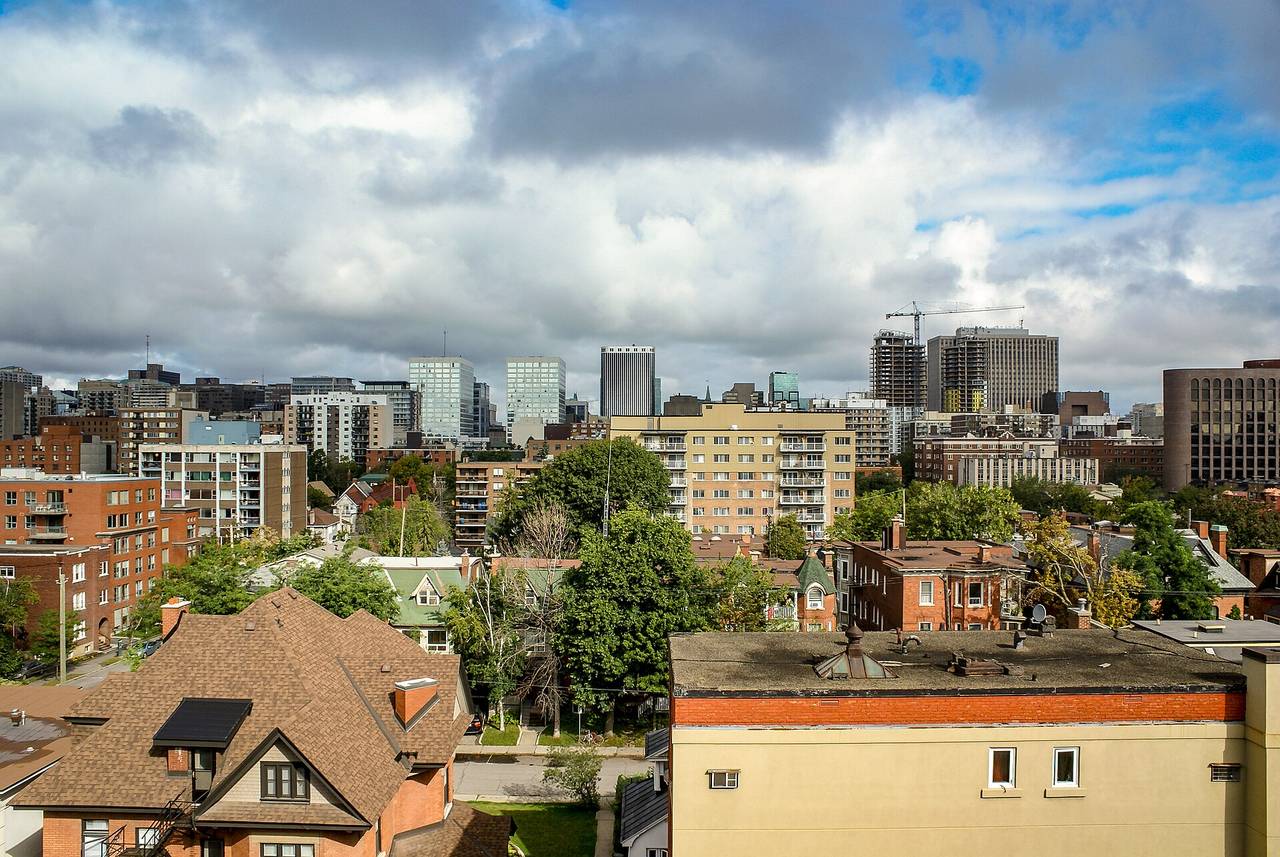 Next to downtownCentretownCondos, rentals and office-to-residential conversions, right next to the downtown core.Explore Centretown →
See all Ottawa neighbourhoods on the map →
Thinking about Orléans?
Call or text Kevin at 613-291-0789 or email kevin.lai@exprealty.com. Kevin Lai, REALTOR®, eXp Realty Brokerage. Meetings by appointment.
Call 613-291-0789Email KevinBook a callSources
- Wikipedia: Orléans, Ontario (history, population, neighbourhoods, schools, housing, parks)
- Wikipedia: Orléans East-Cumberland Ward
- Wikipedia: Orléans West-Innes Ward
- Wikipedia: Orléans South-Navan Ward
- Wikipedia: Place d'Orléans
- Wikipedia: Petrie Island
- OC Transpo: Update on O-Train East Extension (Oct 2, 2026)
- CBC News: Next testing stage on LRT eastern extension delayed until November (Oct 2, 2026)
- City of Ottawa: O-Train Stage 2 East and West extensions update
- City of Ottawa Open Data: 2021 Short Form Census, ward data
- City of Ottawa Open Data: 2021 Long Form Census, ward data
- City of Ottawa development applications search
- OCDSB school locator
- Ottawa Catholic School Board schools
- CEPEO (French public)
- CECCE (French Catholic)
- Last updated: October 29, 2026
