Ottawa LRT vs Driving: What Transit Access Means for Your Wallet and Your Home Search
In this reel, Kevin rides Ottawa's O-Train and makes a "controversial" case: some summers, riding the LRT (light rail transit) can feel less painful than paying for gas. Here are the real numbers behind that idea, where the trains go today, what is still under construction, and how transit access can factor into where you buy.
What transit costs in 2026
OC Transpo fares went up about 2.5% on January 1, 2026. According to CBC News:
- A single adult ride is $4.10 paid by card and $4.15 in cash.
- An adult monthly pass is $138.50, up from $135.
- Twelve monthly passes add up to $1,662 a year.
Council also approved free transit for people under 18 during the summer months, on weekends and on holidays, which matters if you have teens who need to get around.
What a car costs
CAA's Driving Costs Calculator estimates that a 2025 Toyota Corolla in Ontario costs about $4,544 a year to run. That figure averages fuel (about $1,490 a year, using CAA's Ontario gas price of $1.80 a litre and 15,000 to 20,000 km of driving) with operating costs like maintenance and depreciation, which is the value a car loses as it ages ($2,505 to $3,006 a year for this model).
It does not include insurance, parking or interest on a car loan, so your real cost is likely higher. Even so, this one fuel-efficient compact costs roughly $2,880 more per year than a monthly pass. If your household will keep a car anyway, compare the gas and parking you would skip, not the whole car.
Where the O-Train goes today
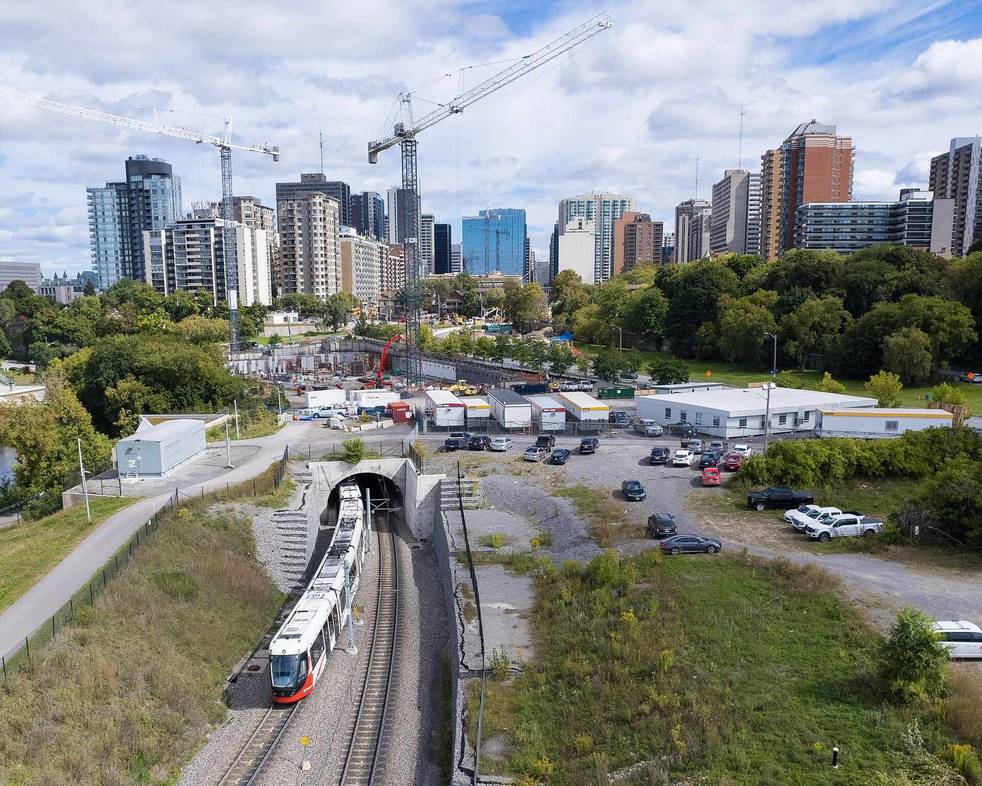
- Line 1 opened on September 14, 2019. It runs 12.5 km east to west between Tunney's Pasture and Blair, with 13 stations and a 2.5 km tunnel under downtown.
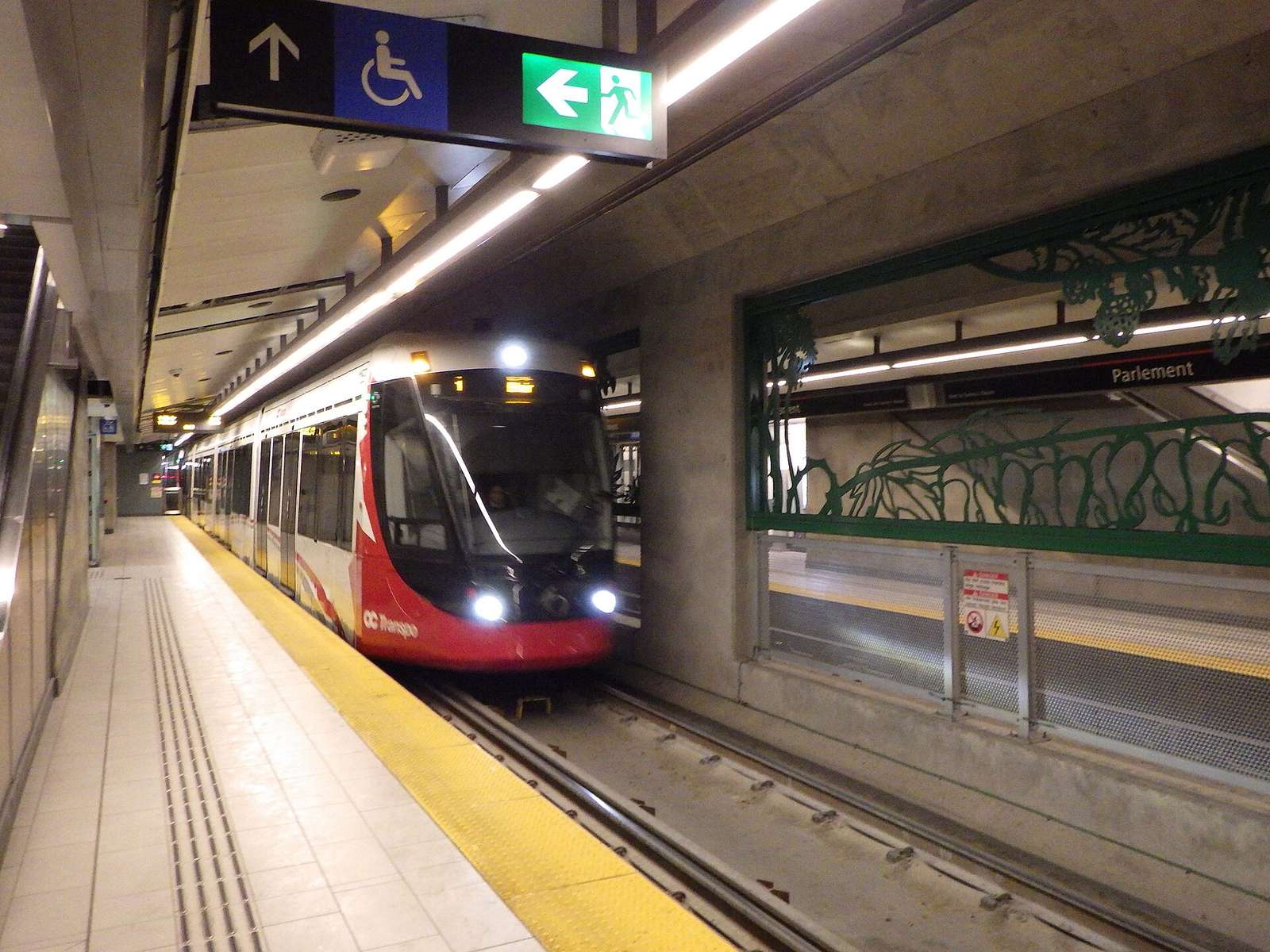
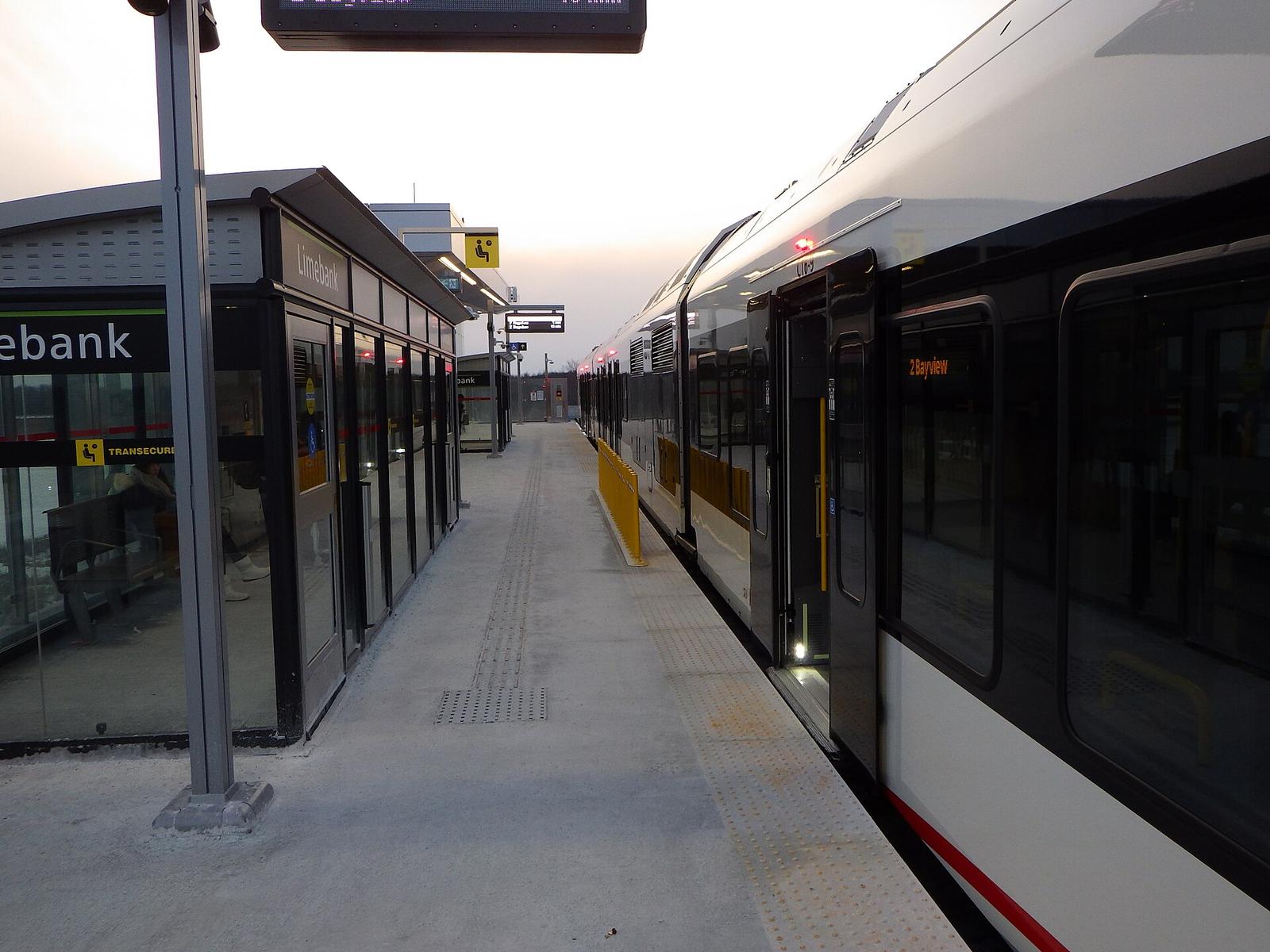
- Line 2 reopened on January 6, 2025 after its expansion. It runs 19 km north to south between Bayview and Limebank in Riverside South.
- Line 4 is a 4 km branch from South Keys to the airport.
Reliability has been a real issue. In January 2026, problems with wheel bearing parts forced many Line 1 trains out of service and the line ran single-car trains, with double-car service returning on June 8, 2026. It is worth checking recent service news before you plan your life around a station.
What is coming next
East to Orléans: the Line 1 extension adds five stations along Highway 174, from Montréal Road to Trim Road. In October 2026, OC Transpo said software reprogramming had pushed pre-trial runs to November. Pre-trial runs take about a week, then 21 days of trial running, then 5 to 10 days of final preparation, so at least five weeks will pass between the start of pre-trial runs and opening day.
West: Line 1 will extend to Algonquin station, and a new Line 3 will run to Moodie, with new or rebuilt stations including Westboro, Lincoln Fields and Bayshore. In 2024, the City said the full system could be running by 2027. If you are looking in Westboro or further west toward Kanata, ask how close the nearest future station will be. City maps have also shown possible future extensions to Kanata and Barrhaven, but those are proposals for a later Stage 3, not projects under construction.
How Ottawa actually commutes
In the 2021 Census, 76.8% of Ottawa commuters with a usual place of work got there by car and 11.2% took transit. That census week was in May 2021, during the pandemic and before Line 2 reopened, so transit use was lower than normal. Still, it shows most Ottawa households plan around a car.
How to use transit in your home search
- Measure the walk, not the map. A station that looks close on a map can be a long walk around fences, rail lines and highways.
- Check the bus link. Many homes connect to the O-Train by bus or Park & Ride rather than on foot.
- Buy for what is running. Future stations can be delayed, as the east extension shows.
- Look at noise and construction if a home backs onto a line or station.
- Compare monthly totals. Mortgage plus transit pass versus mortgage plus car. Our closing cost calculator helps with the upfront side, and Centretown is a good example of a walkable, transit-close area.
Frequently asked questions
How much is an OC Transpo monthly pass in 2026?
An adult monthly pass is $138.50 in 2026, up from $135 in 2025. A single adult ride costs $4.10 by card or $4.15 in cash.
Is Ottawa's LRT cheaper than driving?
For many trips, yes. Twelve adult monthly passes cost $1,662 a year. CAA estimates a 2025 Toyota Corolla costs about $4,544 a year in Ontario for fuel, depreciation and maintenance, before insurance, parking or loan interest.
When will the O-Train reach Orléans?
No opening date has been set. In October 2026, OC Transpo said pre-trial runs on the eastern extension were pushed to November, and at least five weeks of testing and certification must follow before passengers can ride.
Which Ottawa neighbourhoods have O-Train stations?
Line 1 serves central areas from Tunney's Pasture to Blair, Line 2 runs from Bayview south to Limebank in Riverside South, and Line 4 links South Keys to the airport. The west extension will add stations including Westboro, Lincoln Fields, Bayshore and Moodie.
Talk to Kevin
Questions about buying or selling in Ottawa? Call or text Kevin Lai at 613.291.0789 or email kevin.lai@exprealty.com. Kevin Lai, REALTOR®, eXp Realty Brokerage. Meetings by appointment. You can also send a message or get a free home evaluation.
Sources
- CBC News: As Ottawa transit fares go up again (Jan 3, 2026)
- CAA Driving Costs Calculator: 2025 Toyota Corolla, Ontario
- Wikipedia: Line 1 (O-Train)
- Wikipedia: Line 2 (O-Train)
- CBC News: Next testing stage on LRT eastern extension delayed until November (Oct 2, 2026)
- CBC News: OC Transpo still getting ready for final testing of LRT link to Orléans (Aug 14, 2026)
- City of Ottawa Open Data: 2021 Long Form Census, ward data
